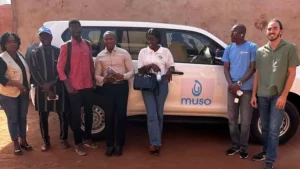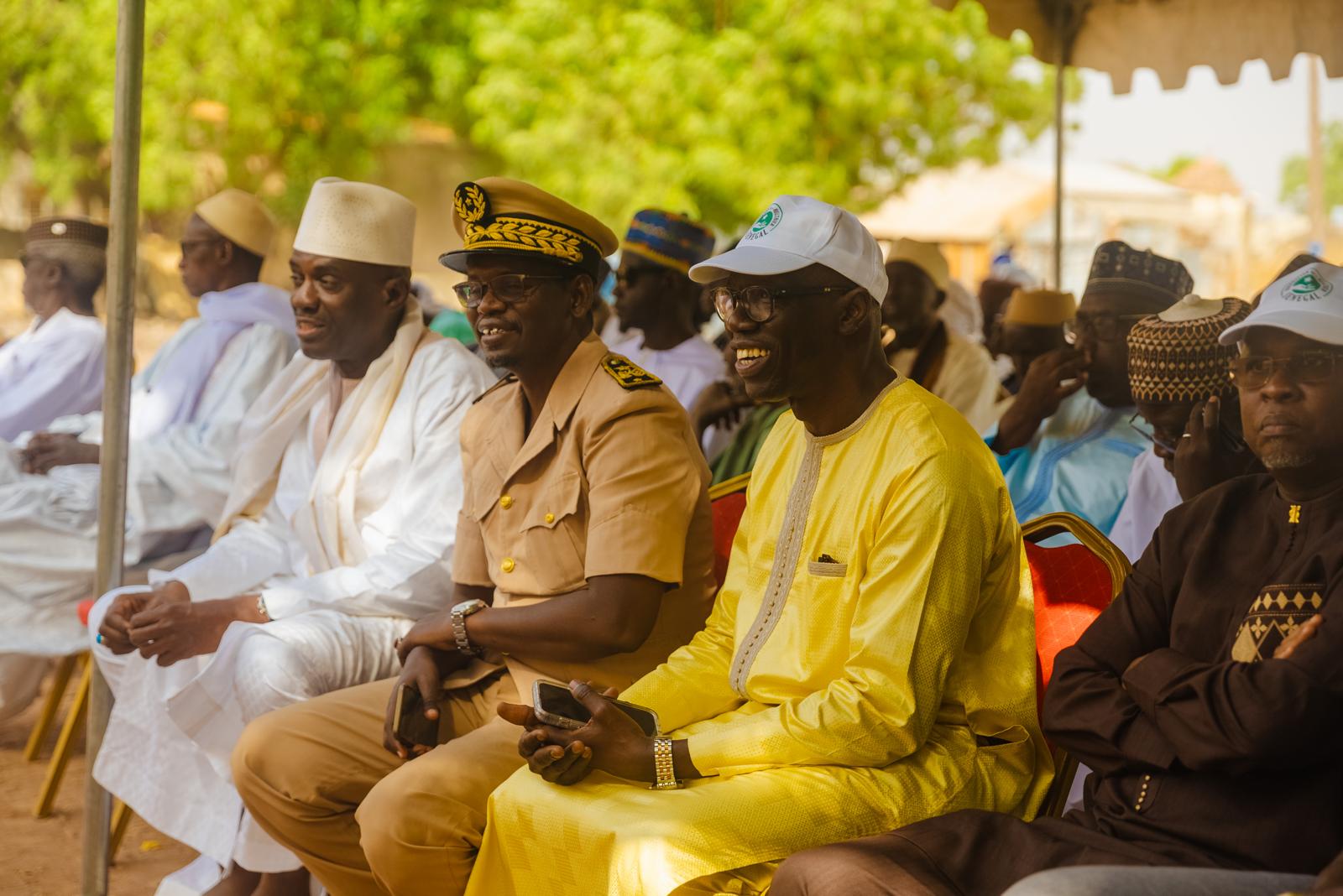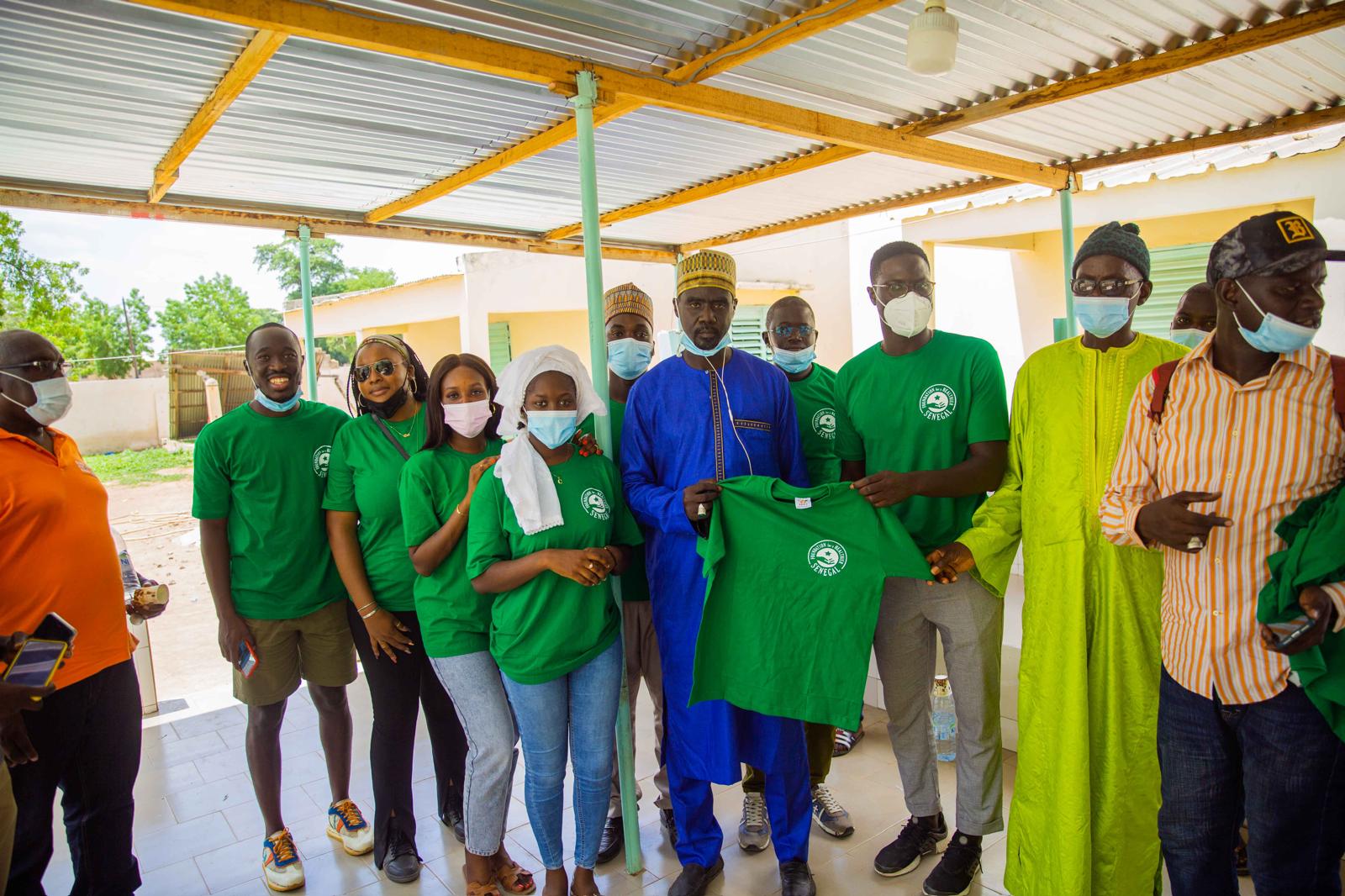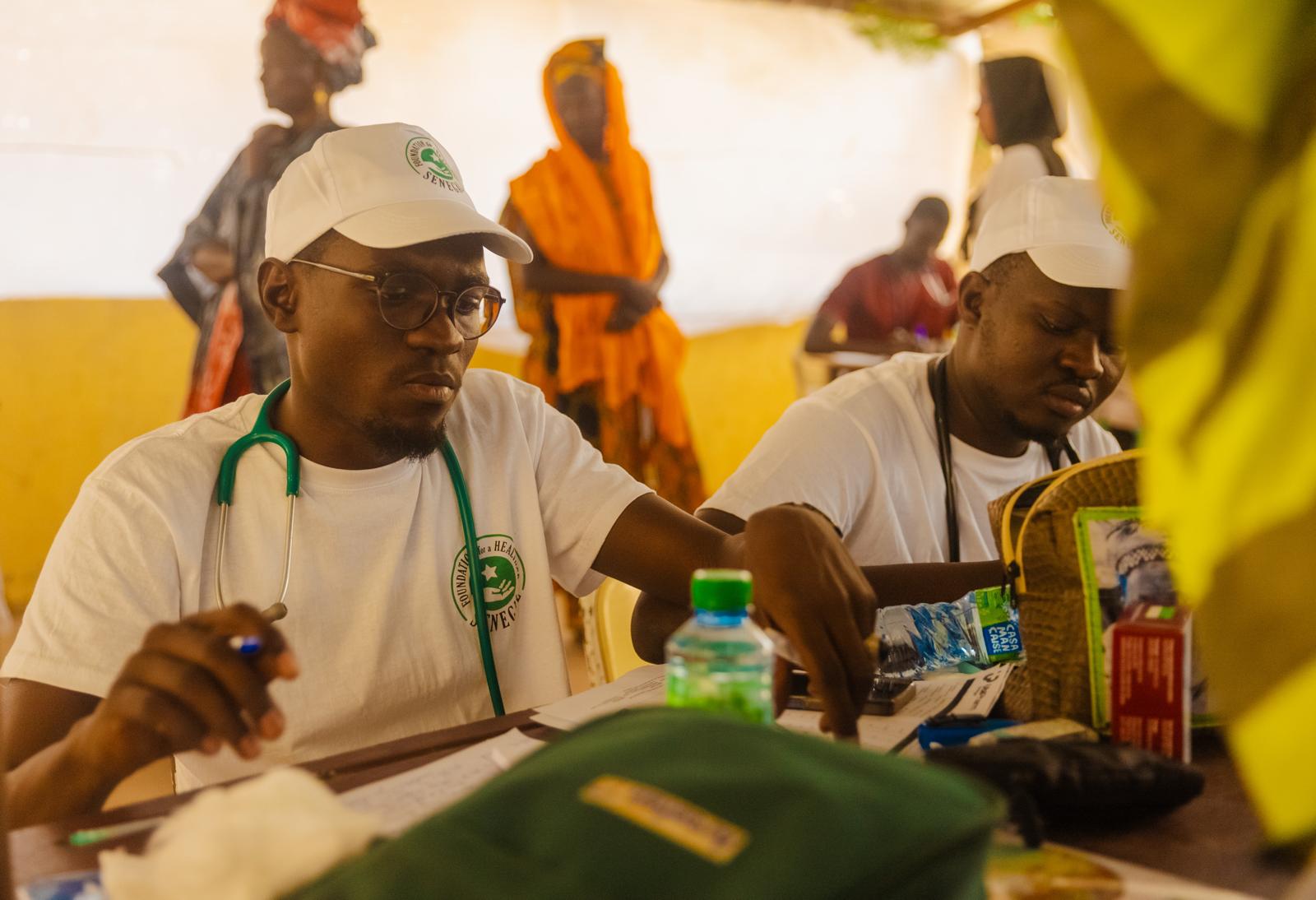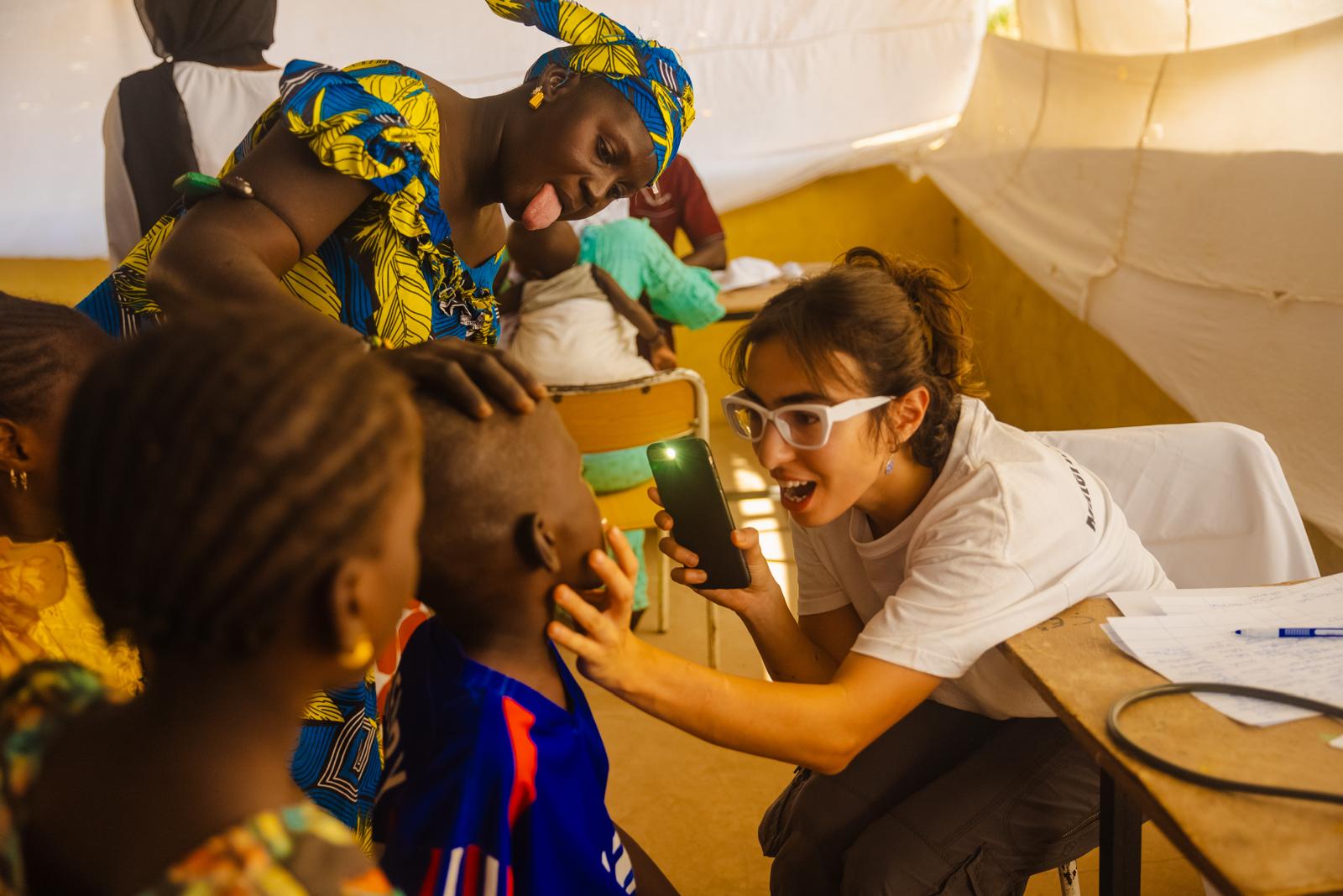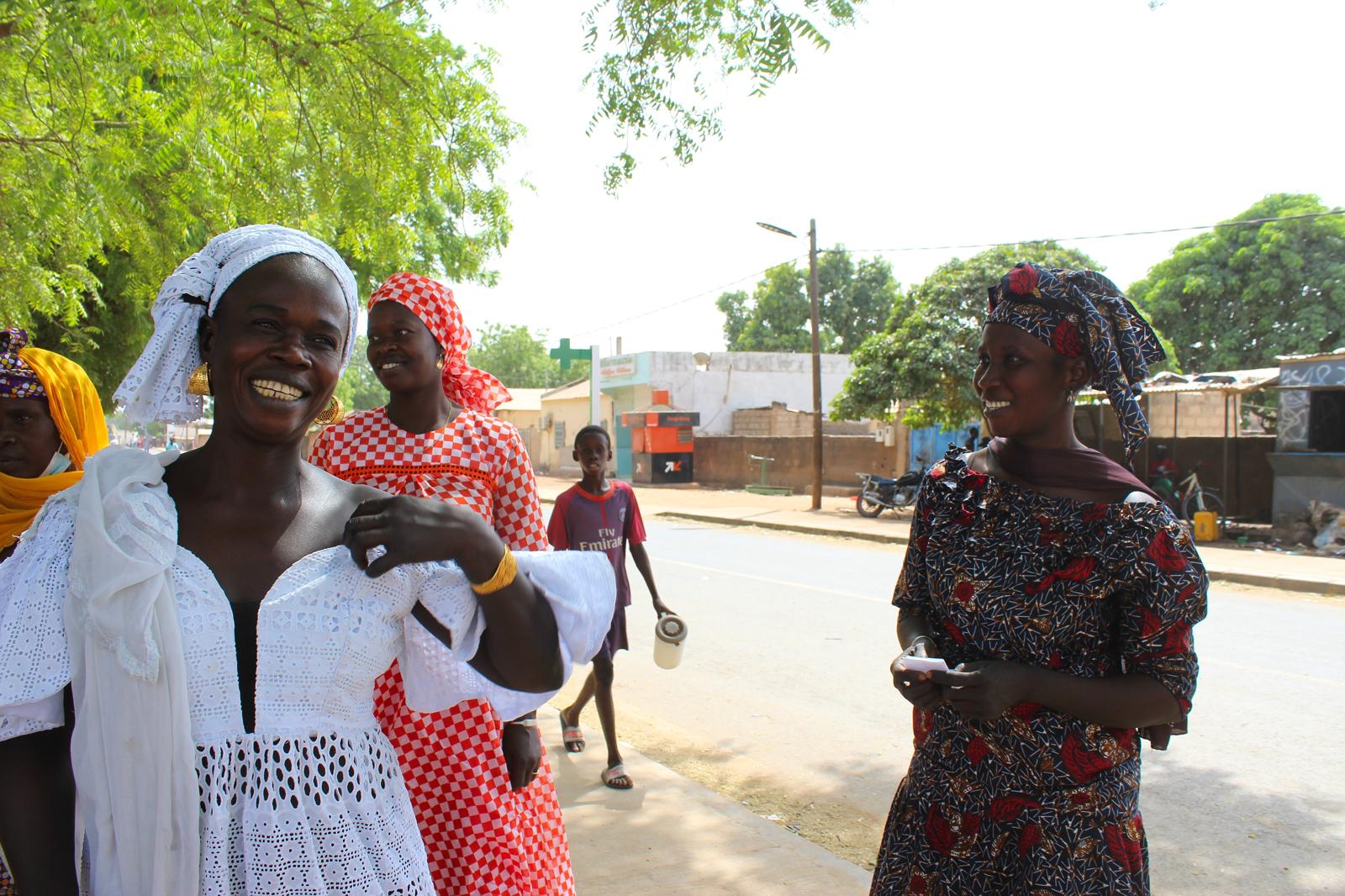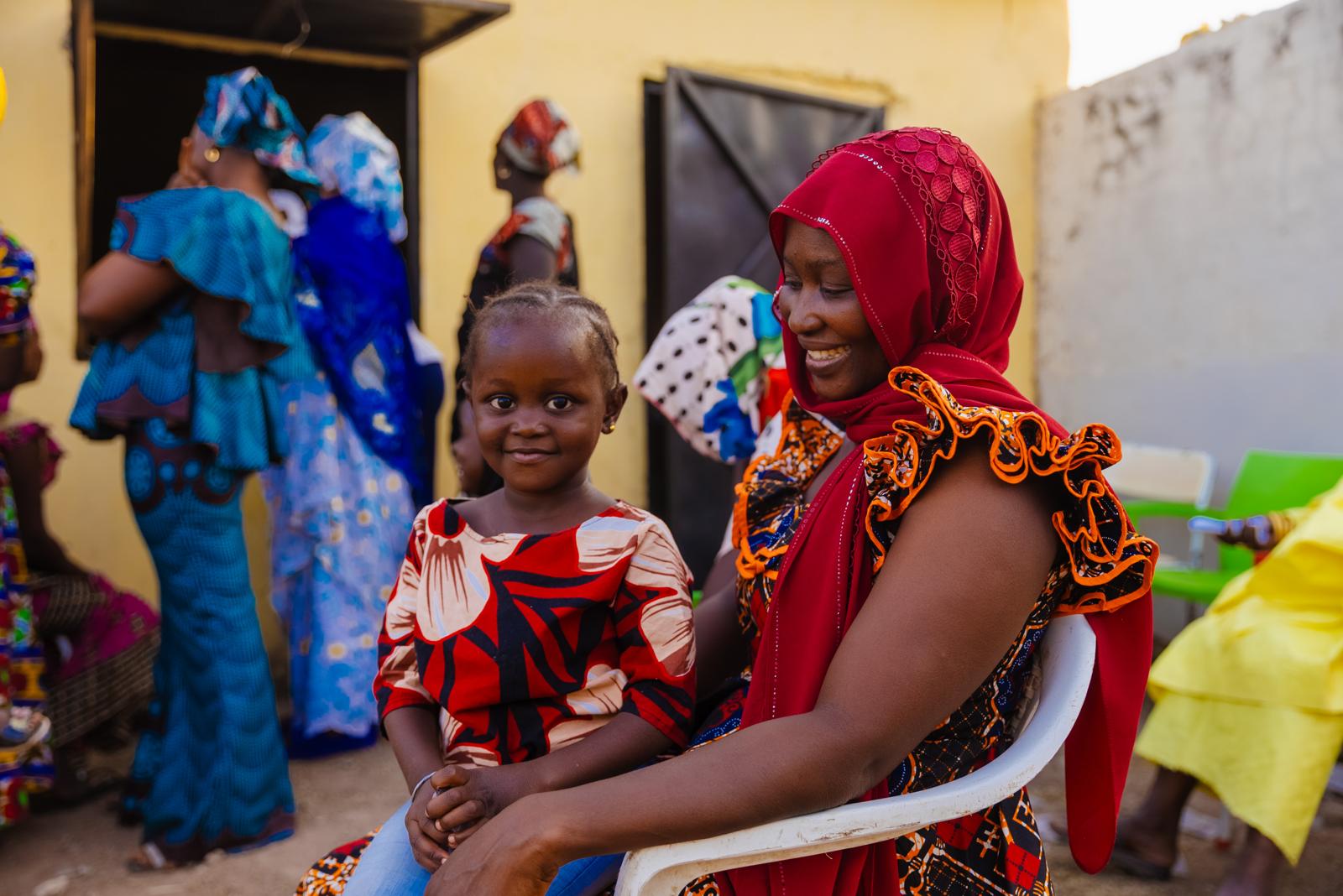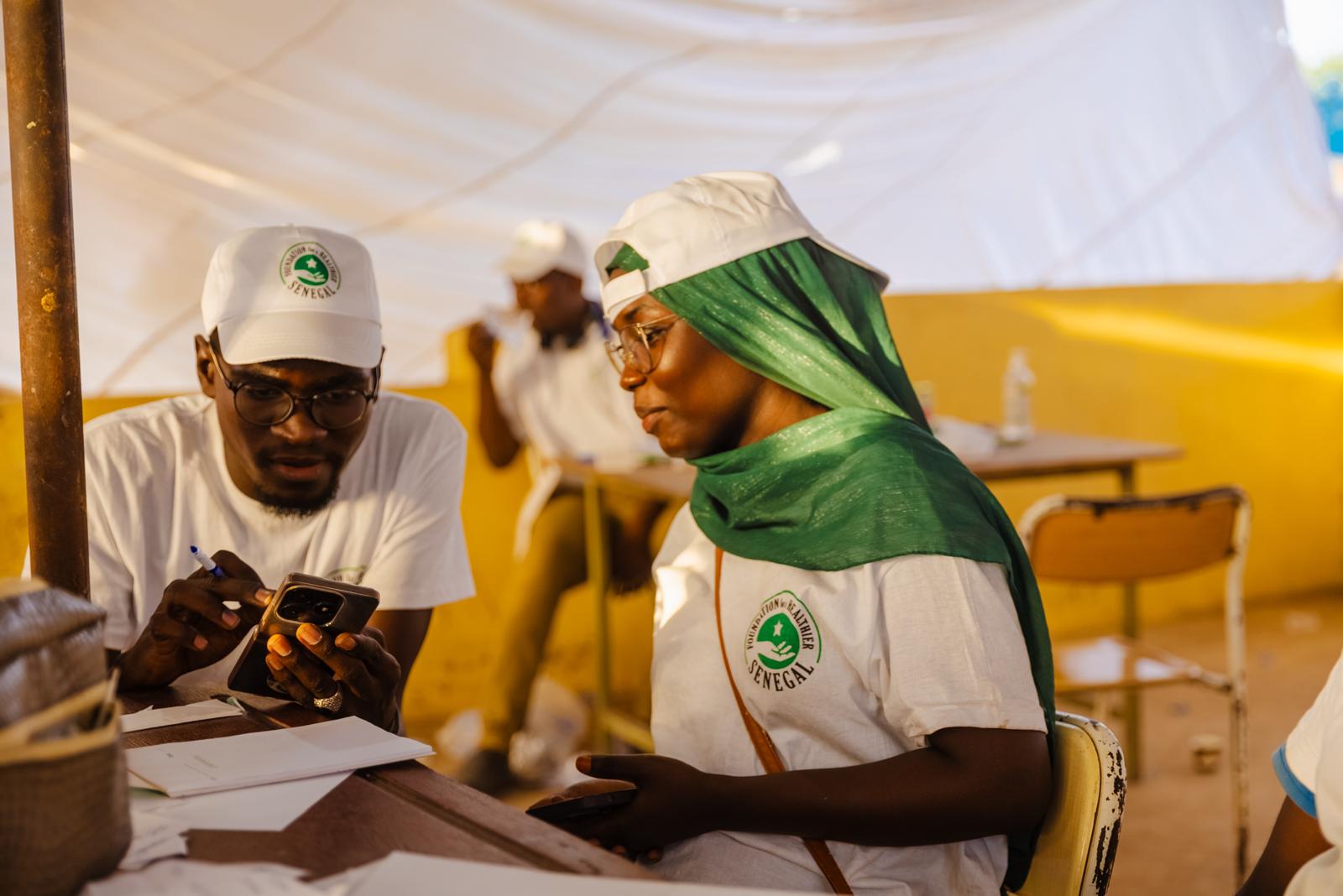
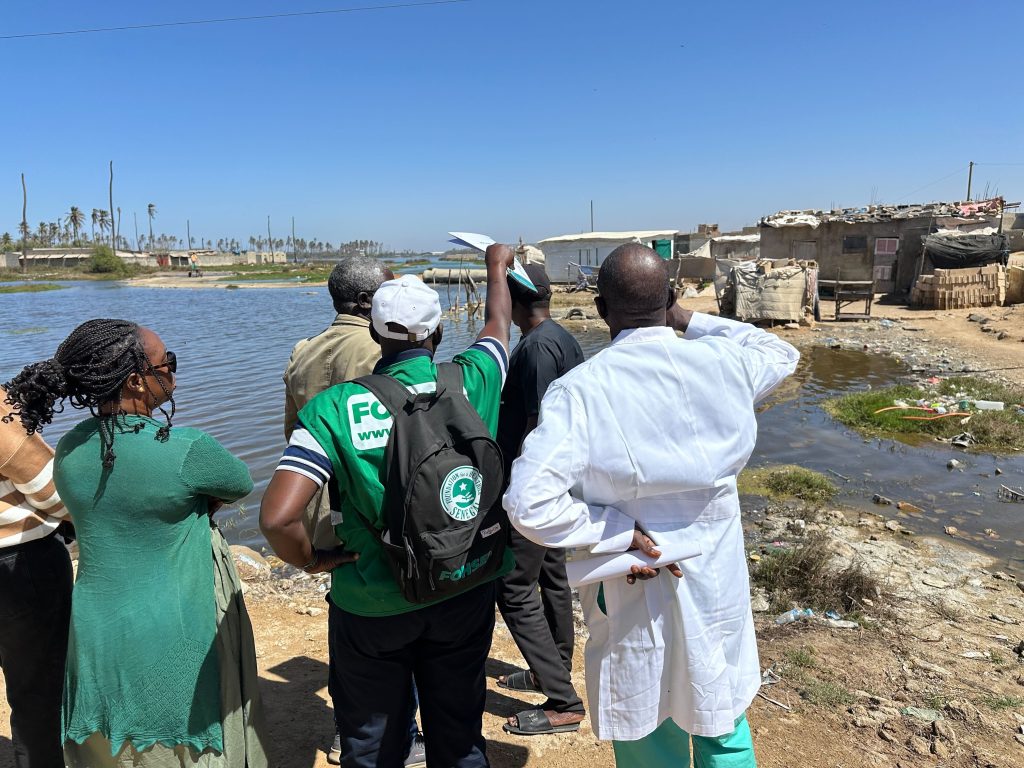
On 10 February 2026, during a joint supervisory visit with the Malika health post, FOHSEN observed that the severe environmental conditions near Lake Wouye were driving increased health risks for surrounding families.
Environmental Context
Lake Wouye is part of the Niayes coastal wetlands in Senegal. Like many seasonal lakes, its surface fluctuates significantly. During the dry season, water levels recede and previously submerged areas become accessible. Informal settlements often develop in these low-lying zones. When the rainy season returns between July and November, flooding and water stagnation increase exposure to health risks.
Health Implications in a Changing Environment
Senegal has made remarkable progress in reducing malaria. According to the latest Demographic and Health Survey and the National Malaria Control Programme, national prevalence among children under five is now below 1 percent. However, transmission remains seasonal and uneven. Stagnant water, poor drainage and waste accumulation create favourable breeding conditions for mosquitoes, particularly in peri-urban environments.
Environmental vulnerability quickly becomes health vulnerability.
Beyond malaria, inadequate sanitation and water management are associated with diarrhoeal diseases and other infections that continue to affect children across sub-Saharan Africa, as documented by WHO and UNICEF.
Why One Health Matters
The situation in Malika illustrates the relevance of the One Health approach, which recognises the interdependence between human health, ecosystems and living conditions. Urban expansion into flood-prone areas, limited land-use regulation and insufficient coordination between planning and public health systems compound these risks.
Communities around the lake face multiple constraints. During the rainy season, road access can be disrupted. Sanitation infrastructure is limited. Exposure to vector-borne and water-related diseases increases.
These are not isolated medical issues. They are structural challenges.
FOHSEN’s Field Response
At FOHSEN, our work focuses on strengthening primary healthcare access in rural and peri-urban areas, supporting and professionalising Community Health Workers, and adapting interventions to environmental realities.
In Malika, this includes joint supervision with the local health centre, support to vaccination and deworming campaigns, facilitation of patient referrals, and awareness-raising on environmental health risks linked to flooding and stagnant water.
No single organisation can address challenges that sit at the intersection of environment, urbanisation and health.
Building resilience requires coordinated action between local authorities, health institutions, communities and development partners.
Protecting ecosystems and protecting health are inseparable goals.
The challenges are systemic. The response must be collective.
We welcome collaboration with partners committed to integrated health and environmental resilience.
#OneHealth
#CommunityHealth
#CHW